Water Damage Restoration Salt Lake City is the process of returning your home to its pre-loss condition. This includes inspection, water mitigation, drying, cleaning, sanitizing and deodorization.
A water restoration specialist will inspect and assess the extent of the water damage using moisture detectors, infrared cameras, and more. This determines the water contamination class and identifies safety risks.
Damage Assessment
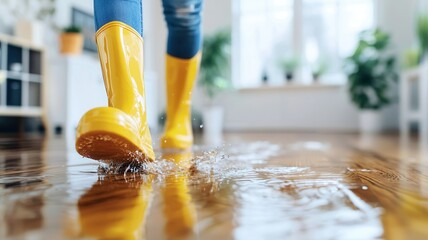
Water damage can be caused by a number of things, from a burst pipe to an overflowing sink to a severe storm. Whatever the cause, a thorough and rapid response is critical to mitigate damage and reduce long-term effects like mold, mildew, and structural damage. A professional water restoration team follows an industry-approved process to clean up and restore your home or business to pre-loss condition.
Water mitigation, also known as the initial cleanup and drying process, begins with a detailed inspection and assessment of the property’s affected areas. This includes a visual inspection and moisture detection to determine the extent of the damage. A trained technician will document the results of the assessment using a standardized checklist and photo logs.
If possible, the specialist will remove any surface water through the use of portable wet/dry vacuums and other commercial-grade extraction equipment. The expert will also use a moisture meter and infrared thermal camera to locate hidden pockets of water behind walls and under floorboards.
During this phase, the expert will wipe down and sanitize all affected surfaces. This includes removing any unsalvageable materials such as carpet padding and low to medium density flooring.
The specialist will then dry and dehumidify all affected areas. This may include opening windows and doors to increase air circulation, running fans and commercial-grade dehumidifiers, and lowering minimal humidity levels with a moisture meter. They will also sanitize the affected area by wiping down and cleaning all surfaces, including drywall below the water line, wood trim, and fiber-fill insulation. They will also remove any non-salvageable furniture. They will also prepare a comprehensive dry-out report for your insurance company. This is an extremely important step because it can greatly impact your claims process and reimbursement amounts.
Water Extraction
Water removal is the first step of the restoration process. It involves draining visible standing water and removing non-visible water that has seeped into porous materials. This reduces drying time and helps prevent mold and bacterial growth. It also protects the integrity of structural elements and prevents odors from forming.
While it may be tempting to try DIY water extraction, this is a job for the professionals. Without proper equipment, you could face safety hazards such as slipping or electrocuting yourself. Plus, improper water extraction can damage the structure of your home or business and cause further damage.
When water damage occurs, you need to act fast. Left unaddressed, it can encourage the growth of bacteria, mildew, and other microbes, erode foundations, and rot wood. In addition, it can contaminate your personal belongings and aggravate existing health conditions.
Quick water extraction can prevent these problems and save your valuables. A trained professional can use industrial pumps and wet vacuums to remove water as quickly as possible. They can also stop the flow of water to prevent further damage and take care of any affected structures, such as drywall and flooring.
Once the visible water has been removed, your technicians will begin drying the property. This is a carefully controlled process that involves monitoring moisture levels and determining what can be saved. It also involves identifying what must be discarded to avoid warping or weakening of materials.
Drying is a complex process, and it can be difficult for homeowners to understand how long their home needs to be dried. Without proper equipment, homeowners may not know how long their items need to be dried or when they should be removed from the home. Water damage restoration specialists have advanced equipment like high-lift pumps, thermal cameras, and LGR dehumidifiers that cut drying times by days. They also document every reading for your insurance adjuster and meet policy “reasonable mitigation” clauses to ensure that your claim is processed quickly and fairly.
Dehumidification
Water damage can happen suddenly and for a wide range of reasons. Whether from a burst pipe, an appliance failure, sewer backup or a heavy spring storm, even minor problems can quickly escalate into costly repairs, structural issues and health risks. Water damage restoration specialists can address the problem before it gets worse by assessing the damage, removing the excess water, cleaning and disinfecting the affected areas and thoroughly drying the property to prevent mold.
The water mitigation process stops the damage before it gets worse by locating and shutting off the source of the water. This may be as simple as turning off the water valve to a specific fixture or as complex as finding and fixing the source of a leaky roof or plumbing problem.
Powerful water removal pumps and vacuums remove standing water as quickly as possible, reducing the risk of further damage and minimizing the need for expensive replacements. Specialists use moisture meters and infrared thermal cameras to uncover hidden pockets of saturation behind walls and under floorboards. Once the majority of the water is removed, industrial air movers and dehumidifiers dry out the structure and its contents, preventing mold growth and other potential health hazards.
Professionals leave drying equipment onsite until temperature, humidity and moisture tests confirm that the property has returned to its pre-loss condition. This typically takes a week or more. However, in some cases such as for a Class 3 or 4 loss where extensive and invasive damage has occurred to structures and their contents, the process may take longer. This is referred to as a long-term water restoration project. It is important to understand the difference between this and short-term water clean-up and restoration services to ensure that the appropriate service level is received.
Cleaning
A thorough inspection identifies the source of water damage and determines the proper equipment and PPE required for safe cleanup. Leaks must be stopped immediately to prevent further damage, including structural deterioration and mold growth. This may involve shutting off a water supply line, capping a broken pipe, or addressing drainage issues outside the property.
Once standing water is removed, the drying process begins. Industrial-grade air movers and dehumidifiers get to work, extracting moisture from deep within building materials to bring them back to a normal level. This step can take several days, with technicians visiting regularly to monitor progress and adjust equipment as needed. They pay special attention to areas that often trap moisture, such as subfloors, cabinets, and wall cavities.
Cleaning and sanitization are next. This is when a restoration company really proves their value. Surfaces and contents are thoroughly cleaned and disinfected to remove bacteria, viruses, fungi, and other harmful organisms. Porous materials like carpeting and drywall are dried and treated to eliminate foul odors and prevent microbial growth.
Once the affected area is completely dry, professionals inspect it again for hidden moisture pockets. Moisture meters and thermal imaging cameras can help identify trouble spots. If necessary, they may recommend a more in-depth drying and sanitization process. This could include the use of hydroxyl generators or negative pressure systems to reach deep into walls and floors and treat difficult-to-reach areas. After sanitization, they’ll repair any damaged materials and reinstall flooring, furniture, and other belongings. The whole recovery process can take weeks or even months, but a well-executed plan minimizes damage, saves money, and reduces health risks for occupants. By combining emergency response, expert assessment, rapid water extraction, drying, dehumidification, sanitization, and cleaning, professional mitigation services provide the comprehensive solution necessary to restore your home or business to normal.
Repairs
Water damage restoration is the process of restoring a home or business to normal after a flooding incident or other water-related disaster. It involves repairing and replacing materials that have been negatively affected by the water, disinfecting and sanitizing areas and items that have been touched by water and thoroughly drying surfaces. It also includes resizing and reconstruction of affected building materials. Water restoration is typically done once mitigation and cleaning have been completed, but it can be initiated sooner to prevent further damage.
The repairs process usually begins with an inspection of the affected property by a trained water damage restoration specialist. This is a critical step that allows the specialist to develop a plan for safely restoring the property to its original condition. It can help determine the right PPE (personal protective equipment) for the job and identify the source and extent of the damage.
Once the inspection has been completed, the water damage restoration technician can begin to remove any standing water from the property. This is typically done using powerful pumps or vacuums. In some situations, specialized extraction tools may be used to remove deep water from carpet padding or floors. The specialist can also remove any contaminated materials that cannot be saved, such as drywall below the water line or low-density floor coverings.
After the removal of any excess water, the specialist can begin the dehumidification process. This is done to ensure that the property is completely dry and that any remaining moisture will not cause mold to grow. Moisture levels are monitored with hygrometers and other testing instruments. If necessary, air conditioning can be used to speed up the drying process.