Water damage restoration is a structured process designed to return a property to a safe, dry, and usable condition after it has been affected by unwanted water intrusion. This type of damage can occur in many ways, including burst pipes, leaking appliances, roof failures, plumbing issues, flooding, or even prolonged humidity problems that allow moisture to accumulate unnoticed. When water enters a building, it does not simply stay on the surface; it spreads quickly through porous materials, seeps into structural components, and creates conditions that can lead to long-term deterioration if not addressed properly.
At its core, water damage restoration is both a technical and time-sensitive discipline. It involves identifying the source of water, removing standing moisture, drying affected materials, cleaning contaminated areas, and repairing damaged structures. However, it also involves understanding how water behaves within building systems and how to prevent secondary issues such as mold growth, wood rot, corrosion, and compromised indoor air quality. Because of this complexity, Water Damage Restoration Salt Lake City is not simply about drying visible wet areas but about fully stabilizing the environment.
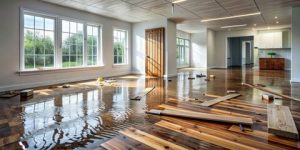
Understanding the Purpose of Water Damage Restoration
The primary purpose of water damage restoration is to minimize damage and restore normal conditions as efficiently as possible. Water is one of the most destructive forces in a built environment because it spreads rapidly and affects multiple materials at once. Drywall can weaken, wood can warp, insulation can lose effectiveness, and electrical systems may become hazardous when exposed to moisture.
Restoration exists to reverse or control these effects before they become irreversible. It focuses on preventing secondary damage that often becomes more expensive and complicated than the initial water intrusion. For example, untreated moisture can lead to mold growth within a short period, and structural materials may begin to degrade if drying is delayed.
In practical terms, water damage restoration aims to achieve several key objectives:
- Remove standing and trapped water from the property.
- Dry and dehumidify all affected structural materials.
- Prevent mold and microbial growth.
- Restore damaged areas to their pre-loss condition.
- Ensure the property is safe for occupancy.
Each of these goals requires a combination of equipment, expertise, and careful assessment.
How Water Damage Happens Inside a Property
To understand water damage restoration, it is important to first understand how water behaves once it enters a structure. Water naturally follows gravity, but it also spreads horizontally through capillary action, allowing it to travel through walls, flooring layers, and insulation materials. This means that the visible wet area is often only a fraction of the total affected space.
For example, a leak in a ceiling may indicate that water has already reached insulation, wall cavities, and even lower floors. Similarly, a flooded floor may hide moisture beneath flooring materials or inside subfloor structures. This hidden spread is what makes water damage particularly challenging and why restoration must go beyond surface-level drying.
Moisture also interacts with building materials in different ways. Porous materials like drywall and wood absorb water quickly, while non-porous surfaces may allow water to pool and seep into seams or joints. Over time, this can compromise structural integrity and lead to long-term deterioration if not properly addressed.
The Core Stages of Water Damage Restoration
Water damage restoration is typically carried out in a series of structured stages, each designed to address a specific aspect of the damage. While the exact process may vary depending on the severity of the situation, most professional restoration efforts follow a consistent framework.
The main stages include:
- Emergency response and inspection.
- Water extraction and removal.
- Moisture detection and mapping.
- Structural drying and dehumidification.
- Cleaning and sanitization.
- Repairs and restoration of materials.
Each stage plays an essential role in ensuring that the property is fully restored and safe for use.
Emergency Response and Initial Inspection
The restoration process begins with an immediate response to assess the situation. Time is critical in water damage scenarios because the longer moisture remains, the greater the risk of structural damage and contamination.
During the inspection phase, technicians evaluate the extent of the water intrusion, identify the source, and determine which areas of the property have been affected. Specialized tools such as moisture meters and thermal imaging devices are often used to detect hidden water that may not be visible.
This stage also involves categorizing the type of water involved. Clean water from a broken pipe poses fewer risks than contaminated water from sewage or external flooding. The category of water influences the cleaning methods and safety protocols used during restoration.
Water Extraction and Removal
Once the situation has been assessed, the next step is removing standing water. This is one of the most critical stages because standing water continues to spread and cause damage until it is eliminated.
Professional restoration teams use high-powered extraction equipment to remove large volumes of water quickly and efficiently. In some cases, portable extractors are used for smaller areas, while more extensive equipment is required for severe flooding situations.
Water extraction helps achieve several important outcomes:
- Reduces immediate structural damage.
- Prevents further absorption into building materials.
- Shortens overall drying time.
- Minimizes the risk of mold growth.
- Improves safety conditions inside the property.
The faster water is removed, the better the chances of preserving materials and reducing repair costs.
Moisture Detection and Hidden Water Analysis
Even after visible water is removed, moisture often remains trapped inside walls, floors, and structural cavities. This hidden moisture is one of the most dangerous aspects of water damage because it can go undetected while continuing to cause deterioration.
Moisture detection involves using specialized equipment to measure water content in building materials. Technicians map out affected areas to determine how far the moisture has spread and identify zones that require further drying.
This step ensures that no hidden pockets of water are left behind, which is essential for preventing long-term issues such as mold growth or structural weakening.
Structural Drying and Dehumidification
After moisture mapping is complete, the drying phase begins. This stage involves removing remaining moisture from both the air and building materials using industrial-grade equipment.
Air movers are used to increase airflow across wet surfaces, speeding up evaporation. Dehumidifiers then extract moisture from the air, reducing humidity levels and preventing condensation from forming on surfaces.
The drying process is carefully monitored and adjusted based on ongoing moisture readings. Technicians regularly check affected areas to ensure that materials are drying at the appropriate rate and that no moisture remains trapped.
Proper drying is essential because incomplete drying can lead to hidden mold growth and structural instability over time.
Cleaning and Sanitization After Water Damage
Water damage often introduces contaminants into a property, especially if the water source is not clean. Even clean water can become contaminated once it comes into contact with building materials and debris.
Cleaning and sanitization involve treating affected areas with specialized cleaning agents designed to remove bacteria, dirt, and other contaminants. In some cases, antimicrobial treatments are applied to reduce the risk of mold growth and improve indoor air quality.
This stage focuses on restoring a safe and hygienic environment by addressing both visible and invisible contamination.
Repairs and Structural Restoration
Once the property has been fully dried and cleaned, repairs can begin. This stage involves restoring damaged materials and rebuilding affected areas to return the property to its original condition.
Depending on the severity of the damage, repairs may include minor cosmetic work or major reconstruction efforts. Common restoration tasks include replacing drywall, repairing flooring, restoring ceilings, and rebuilding structural components.
Repairs ensure that the property is not only dry and safe but also functional and visually restored.
Why Water Damage Restoration Is Important
Water damage restoration is essential because it prevents long-term deterioration and protects both property value and occupant safety. Without proper restoration, even small amounts of moisture can lead to serious structural and environmental problems.
The importance of restoration can be summarized in several key points:
- It prevents mold and microbial growth.
- It preserves structural integrity.
- It protects indoor air quality.
- It reduces long-term repair costs.
- It restores habitability and comfort.
Ignoring water damage or delaying restoration can significantly increase the complexity and cost of repairs in the future.
The Role of Professional Expertise
While some minor water issues can be addressed by property owners, significant water damage requires professional expertise. Restoration specialists understand how water interacts with building materials and use advanced equipment to detect and remove hidden moisture.
Their training allows them to identify risks that may not be immediately visible and apply appropriate drying techniques based on the specific conditions of the property. This expertise ensures a more complete and effective restoration process.
Water damage restoration is a comprehensive process that involves assessing damage, removing water, detecting hidden moisture, drying affected materials, cleaning contaminated areas, and repairing structural elements. It is designed to restore a property to a safe, dry, and functional condition while preventing long-term issues such as mold growth and structural deterioration.
Understanding what water damage restoration is helps property owners respond more effectively when water-related incidents occur. By recognizing the importance of quick action and thorough restoration, it becomes possible to minimize damage, reduce costs, and protect the long-term integrity of a property.
Ultimately, water damage restoration is not just about repairing what is visible—it is about ensuring that every layer of the structure is properly stabilized and restored for future use.